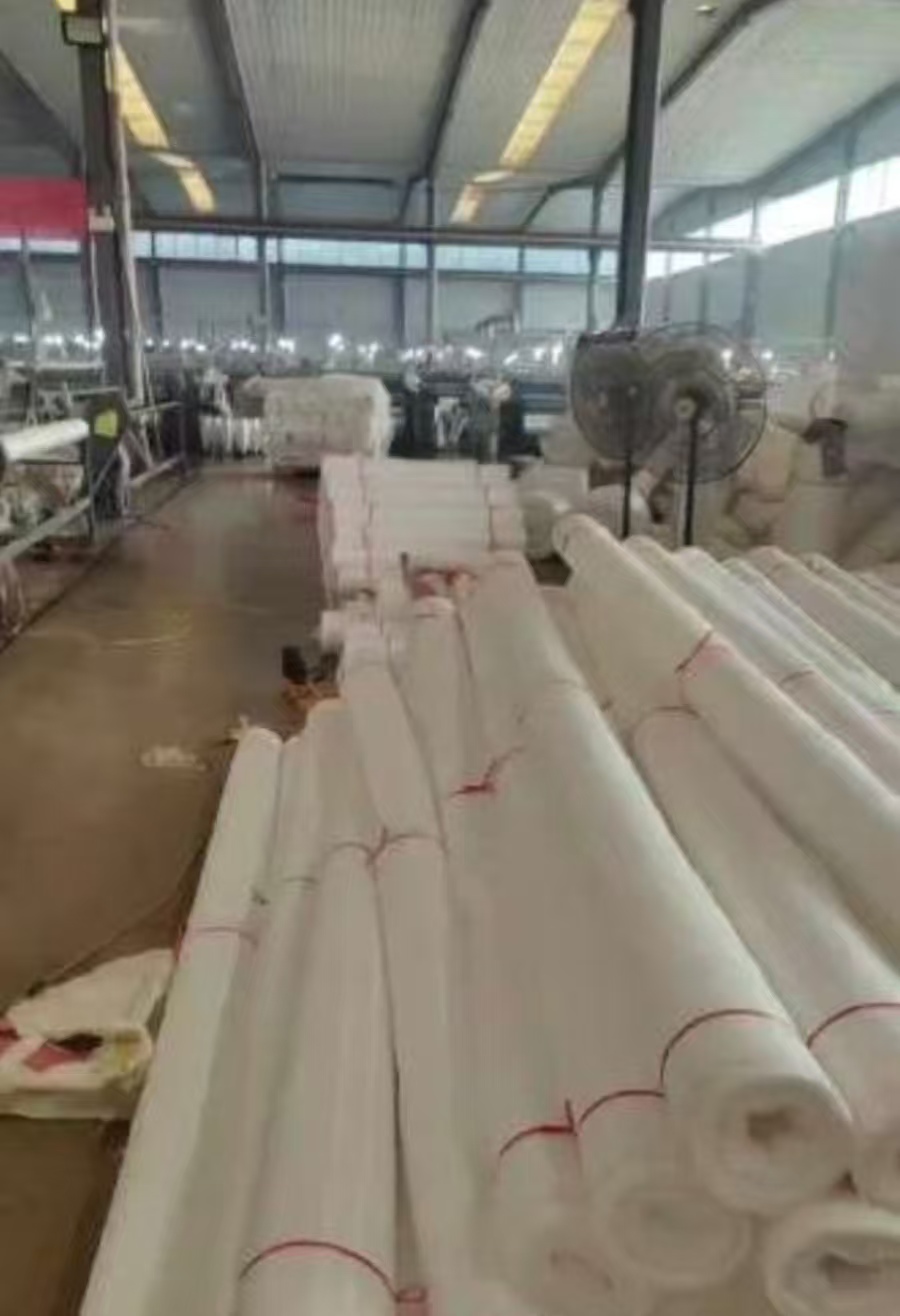






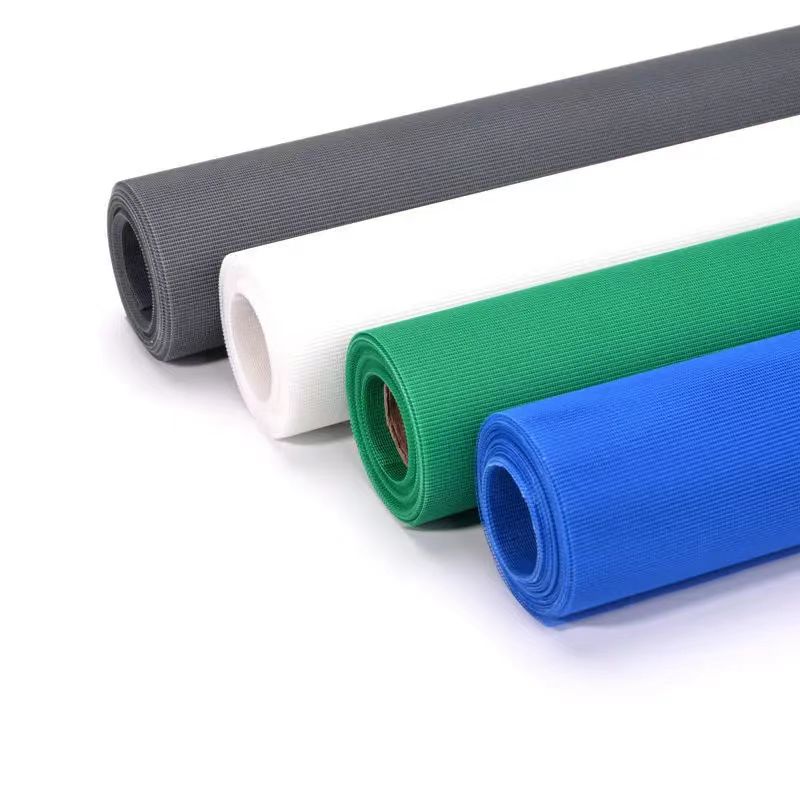
The Main Applications of Membrane Materials
In recent decades, membrane materials have become an essential part of modern industry, environmental protection, architecture, and daily life. These advanced materials are known for their selective permeability, flexibility, and ability to separate, filter, or protect. From water purification to architectural design, membrane technology has transformed how we manage resources, energy, and the environment. Understanding the main applications of membrane materials helps us appreciate their role in sustainable development and technological innovation.
1. Water Treatment and Purification
One of the most important and widespread applications of membrane materials is in water treatment. Membranes can effectively separate impurities, microorganisms, and dissolved substances from water through physical filtration. Common technologies include microfiltration (MF), ultrafiltration (UF), nanofiltration (NF), and reverse osmosis (RO).
- Microfiltration and Ultrafiltration membranes remove suspended solids, bacteria, and colloidal particles, making them ideal for municipal water treatment and industrial wastewater recycling.
- Nanofiltration and Reverse Osmosis membranes can filter out dissolved salts and organic molecules, producing high-purity water for drinking, medical, and electronic industries.
Membrane systems are energy-efficient, require fewer chemicals, and produce less secondary pollution compared to traditional purification methods. This makes them an essential technology for addressing global water scarcity and improving water quality.
2. Gas Separation and Environmental Protection
Membrane materials are also widely used in gas separation. Certain polymers and inorganic membranes can selectively allow specific gases to pass through while blocking others. This property is valuable in various industrial applications:
- Oxygen and nitrogen separation for producing high-purity gases used in medical, chemical, and metallurgical industries.
- Carbon dioxide removal from natural gas or biogas, helping to reduce greenhouse gas emissions.
- Hydrogen recovery in petrochemical processes to improve energy efficiency.
In the field of environmental protection, membranes are employed to treat exhaust gases, recover solvents, and filter air pollutants. Their ability to separate harmful substances supports cleaner production and sustainable industry development.
3. Biomedical and Pharmaceutical Applications
Membrane materials play a critical role in medical and pharmaceutical fields, thanks to their biocompatibility and precise filtering abilities. In hospitals, dialysis membranes are used to remove waste and toxins from the blood of patients with kidney failure. These membranes must allow small molecules like urea to pass through while retaining essential proteins and blood cells.
In pharmaceutical manufacturing, membranes are used for sterile filtration, drug concentration, and purification processes. They help ensure the safety, consistency, and quality of medicines and vaccines. Additionally, membrane technology is being applied to artificial organs, controlled drug release systems, and bioreactors, promoting progress in modern healthcare.
4. Construction and Architectural Membranes
Another significant use of membrane materials is in architecture. Architectural membranes, often made from PTFE (polytetrafluoroethylene), ETFE (ethylene tetrafluoroethylene), or PVC-coated polyester, are lightweight yet strong materials used for roofing and façades.
These membranes combine flexibility with high tensile strength, allowing architects to design creative, large-span, and light-filled structures. Examples include stadiums, exhibition halls, airports, and shading systems. Membrane structures not only provide weather protection but also offer aesthetic appeal, energy efficiency, and cost savings compared to traditional building materials.
ETFE films, for example, are highly transparent, self-cleaning, and recyclable. They allow natural light to enter buildings while maintaining insulation and reducing energy consumption. As a result, membrane architecture has become a symbol of modern, sustainable urban design.
5. Energy and Chemical Industries
In the energy sector, membrane materials are increasingly used for fuel cells, battery separators, and electrolysis systems. Proton exchange membranes (PEMs) are crucial components in hydrogen fuel cells, which convert chemical energy directly into electricity. Their efficiency, conductivity, and durability directly determine the performance of the entire system.
In the chemical industry, membranes are used for separating mixtures, concentrating solutions, and recovering valuable products. For example, pervaporation membranes are used to separate water from organic solvents, while ion-exchange membranes are applied in electrochemical processes. These technologies reduce energy consumption and improve process efficiency compared to conventional distillation or evaporation methods.
6. Food and Beverage Industry
Membrane technology also plays a key role in the food and beverage industry. Ultrafiltration and reverse osmosis membranes are used to clarify fruit juices, concentrate milk and whey proteins, and produce clean drinking water and beverages. These processes maintain nutritional quality while extending shelf life without the need for heat treatment or preservatives.
Conclusion
Membrane materials have become indispensable in modern science and industry. Their unique characteristics—selective permeability, flexibility, and durability—enable them to be applied across a wide range of fields, from clean water and pure air to advanced energy systems and architectural innovation. As research continues, the next generation of membranes will be even more efficient, environmentally friendly, and multifunctional. Whether used to protect our environment, purify resources, or power the future, membrane materials will continue to play a vital role in building a cleaner and more sustainable world.