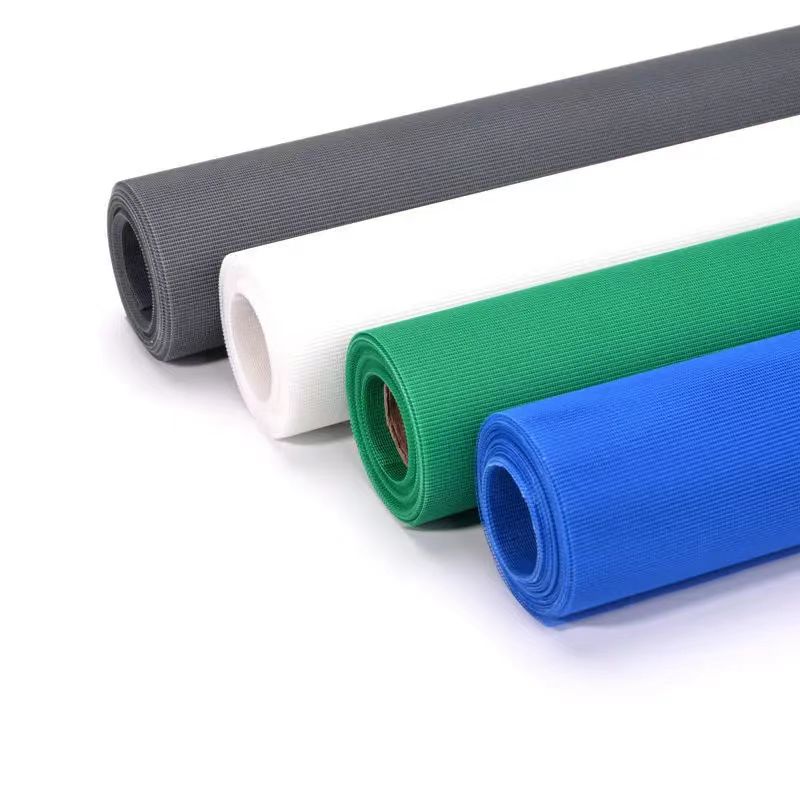





insect screen
The use of insect-proof nets is a practical and environmentally friendly agricultural new technology for increasing production. By covering the greenhouse structure, it constructs an artificial isolation barrier to keep pests out, cutting off the reproduction path of pests (adults) and effectively controlling various pests such as Pieris rapae, diamondback moth, Plutella xylostella, aphids, flea beetles, sweet potato moths, American serpentine flies, and striped noctuid moths, preventing the spread of viral diseases. It also has the functions of light transmission, moderate shading, ventilation, etc., creating favorable conditions for crop growth and ensuring a significant reduction in the application of chemical pesticides in vegetable fields. This makes the produced crops high quality and sanitary, providing a strong technical guarantee for the development of pollution-free green food.
1. Functions of insect-proof nets
(1) Insect-proof
After vegetables are covered with insect-proof nets, they can basically avoid damage by various pests such as cabbage caterpillars, diamondback moths, cabbage exigua, Spodoptera litura, yellow flea beetles, ape leaf insects, aphids and other pests.
(2) Disease prevention
Viral diseases are catastrophic diseases on many vegetables. They are mainly transmitted by insects, especially aphids. Since the insect-proof net cuts off the main virus transmission route of pests, it greatly reduces the infection of vegetable viruses.
(3) Adjust air temperature, soil temperature and humidity
It can effectively prevent frost. The insect-proof net room can reduce the amount of precipitation in the net room when it rains, and the evaporation in the net room can be reduced in sunny days.
(4) Block strong light:
The light intensity is high in summer, and strong light will inhibit the vegetative growth of vegetable crops, especially leafy vegetables. The insect-proof net can play a certain role in shading and preventing direct strong light.
2. Mesh Selection Mesh Number
Pay attention to the aperture when purchasing insect proof nets. The most common types in production, planting, and breeding are 20 mesh, 32 mesh, 40 mesh, 50 mesh, 60 mesh, and 80 mesh, with a width of 1-3 meters.
3. The use of insect nets
(1)Greenhouse covering
Cover the insect proof net directly on the greenhouse frame and compact it tightly with soil or bricks around. The roof pressure line should be tightened to prevent it from being lifted by strong winds in summer. Leave the main entrance uncovered for easy access. Close the door when entering or leaving the shed to prevent butterflies and moths from laying eggs inside. At the same time, it is necessary to regularly check whether the insect proof net has tearing cracks (especially those with a long service life). Once discovered, it should be repaired in a timely manner to ensure that there are no pests invading the net room.
(2)Small arch canopy covering
Bend bamboo strips or steel bars into an arch canopy and insert it into the field bed surface. Cover the insect proof net on the arch frame, and then water directly on the net until harvesting without removing the net, implementing a fully enclosed coverage. The application of insect nets can effectively prevent mosquito invasion, reduce pesticide use, and ensure food safety.
4. Application scope of insect proof net
(1) Leafy vegetables are cultivated with insect proof nets.
Leafy vegetables are popular among urban and rural residents in summer and autumn, with the characteristics of fast growth and short cycle. However, there are many pests and serious pesticide pollution in outdoor production, and citizens dare not consume them. Covering cultivation with insect proof nets can greatly reduce pesticide pollution.
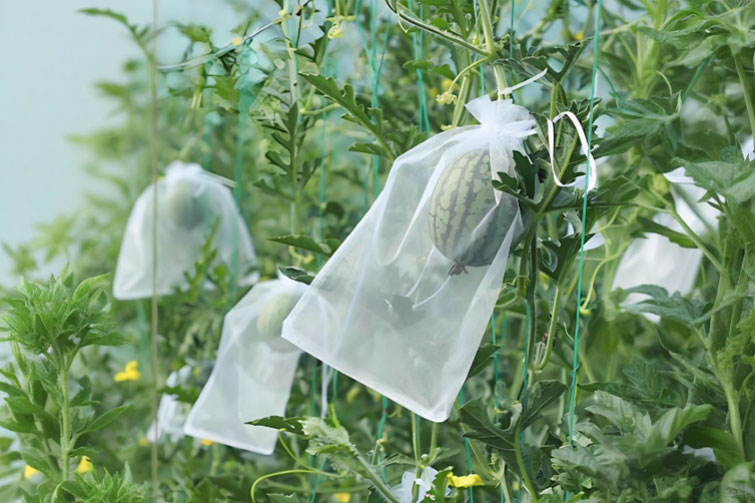
(2) Planting eggplants, fruits, and melons with insect proof nets.
Eggplants, fruits, and melons are prone to viral diseases in summer and autumn. After applying insect nets, the transmission pathway of aphids is cut off, reducing the harm of viral diseases.
(3) Nursery
In the period of high humidity, rainstorm and frequent insect pests, the use of insect prevention nets will lead to high emergence rate, high seedling rate and good seedling quality of vegetables, thus winning the initiative in vegetable production.
Conclusion
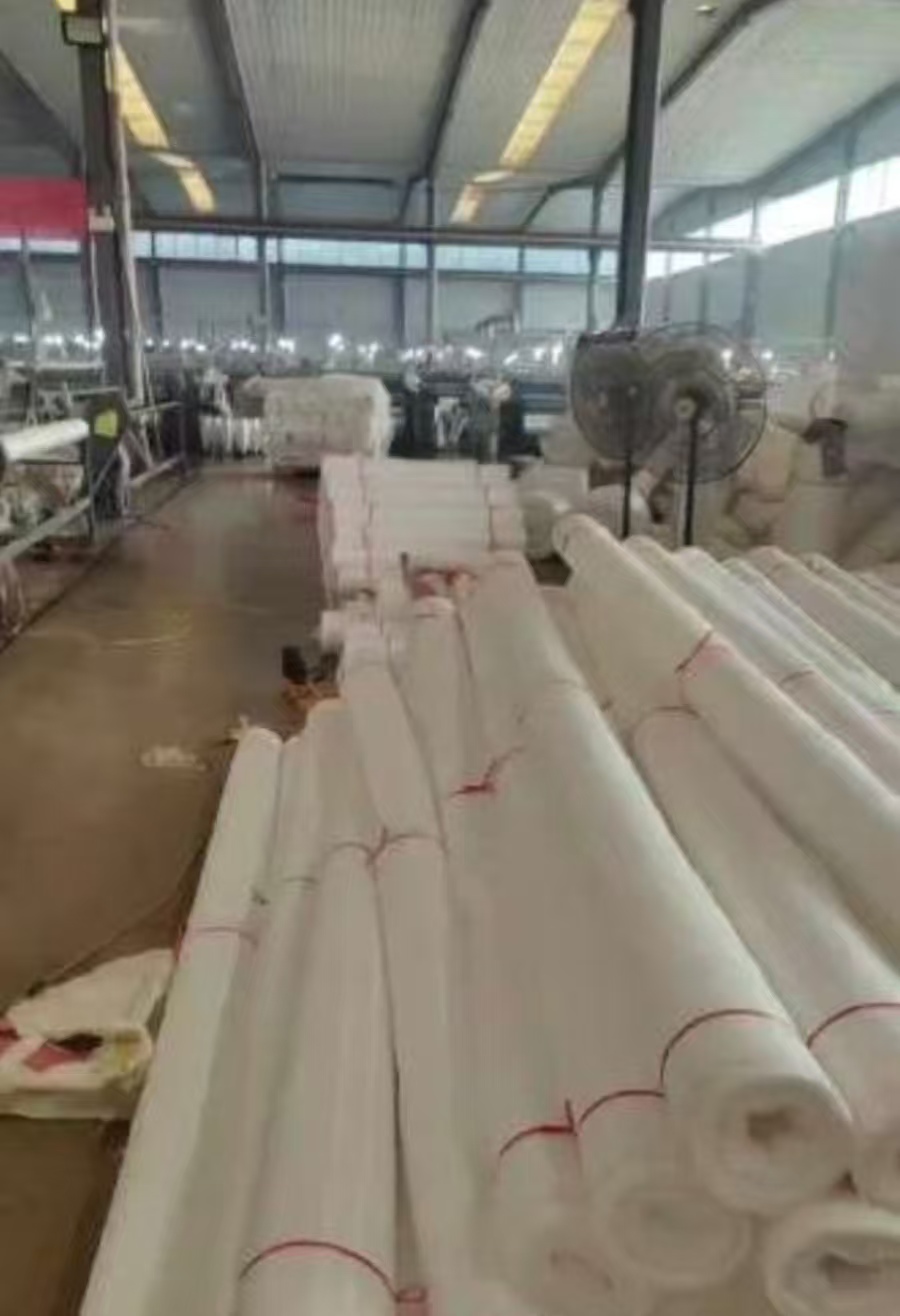
Insect proof nets are widely used in the production, planting, and breeding processes, with a long service life, economic practicality, environmental protection, and are non-toxic and odorless. Insect proof nets can effectively resist pest and disease disasters, reduce pesticide use, ensure food safety, and have good yield increasing effects.