

How to Choose the Right Insect-Proof Net for Fruits
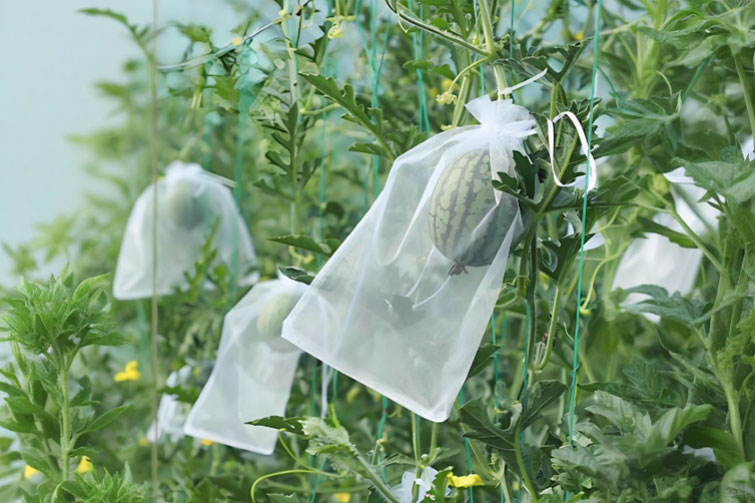
In modern fruit cultivation, preventing insect damage is essential for ensuring healthy, high-quality harvests. Traditional pest control methods often rely heavily on chemical pesticides, which can leave residues and harm the environment. In contrast, insect-proof nets offer an environmentally friendly, effective, and long-term solution for fruit farmers. Choosing the right insect-proof net, however, requires understanding several key factors such as mesh size, material, color, durability, and installation methods.
1. Determine the Target Pests
The first step in selecting an insect-proof net is to identify the main pests you need to control. Different insects vary in size and behavior, which directly affects the choice of mesh size. For example, fruit flies and aphids are very small and require fine mesh nets of 40 to 60 mesh to prevent entry. Larger pests such as moths or beetles can be controlled with coarser nets, around 20 to 30 mesh.
Knowing your target pests helps you balance protection and ventilation. Finer nets block smaller insects but also reduce airflow and light, while larger meshes provide better ventilation but less protection. A good approach is to select the smallest mesh size that effectively keeps out your major pests without compromising fruit growth conditions.
2. Choose the Right Material
Most insect-proof nets are made from polyethylene (PE), polypropylene (PP), or nylon. Among these, high-density polyethylene (HDPE) is the most common and cost-effective choice. It offers good flexibility, UV resistance, and durability under outdoor conditions. UV-stabilized nets can last several years without significant degradation.
For areas with strong sunlight or frequent rain, nets with added UV protection and anti-aging treatment are recommended. These nets resist tearing and discoloration, providing stable performance across multiple growing seasons. Nylon nets are softer and more transparent but tend to age faster, making them more suitable for short-term or greenhouse use.
3. Consider Color and Light Transmission
The color of an insect-proof net may seem like a minor detail, but it can influence temperature, light intensity, and even insect behavior.
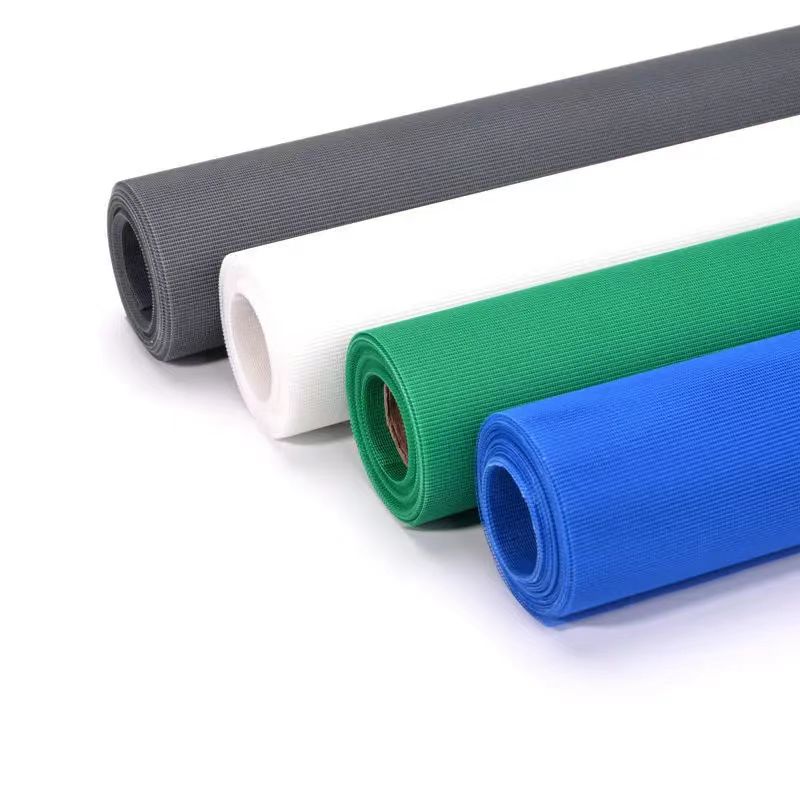
- White or transparent nets are the most widely used because they allow maximum light transmission and minimal temperature increase, ideal for most fruits such as apples, pears, and peaches.
- Black nets reduce light intensity and can slightly lower temperatures, suitable for tropical regions or crops that prefer mild sunlight.
- Green or silver-gray nets are sometimes chosen for aesthetic or specific insect-repelling purposes, as some studies show reflective surfaces can deter certain flying insects. Choosing the right color ensures the fruits receive sufficient light while maintaining a comfortable microclimate under the net.
4. Evaluate Strength and Durability
A good insect-proof net must be strong enough to withstand wind, rain, and mechanical tension. Nets with reinforced edges or thicker threads have longer service lives and resist tearing during installation. The weight of the net (measured in grams per square meter) also affects its strength—heavier nets are generally more durable but may reduce airflow.
When purchasing, check for double stitching and uniform weaving, as uneven meshes can reduce protection. If possible, buy nets from reputable manufacturers that provide test reports on tensile strength and UV resistance.
5. Installation and Maintenance
Proper installation is just as important as choosing the right net. Gaps or loose edges can allow insects to enter, making the net ineffective. Ensure that the net completely covers the fruit trees or orchard frame and is tightly secured to the ground or structure using clips, ropes, or soil trenches.
Regular inspection and maintenance will extend the net’s lifespan. Remove debris, leaves, and dust to maintain good ventilation and light transmission. After the harvest season, clean and dry the nets before storage to prevent mold and weakening caused by moisture or prolonged sunlight exposure.
6. Cost and Environmental Considerations
While high-quality insect-proof nets may require a larger initial investment, they can significantly reduce the need for pesticides, lower labor costs, and improve fruit quality. Over several seasons, this results in better economic returns and a cleaner ecological footprint. Recyclable polyethylene nets are also an environmentally sustainable choice, reducing waste and chemical pollution in the orchard.
Conclusion
Selecting the right insect-proof net for fruit cultivation is a balance between pest control, ventilation, light transmission, and durability. By considering the specific pest types, choosing high-quality UV-resistant materials, and ensuring proper installation, farmers can protect their fruit crops effectively while promoting eco-friendly agriculture. Investing in a suitable insect-proof net not only safeguards the harvest but also contributes to sustainable and profitable fruit production for years to come.
Tags: